
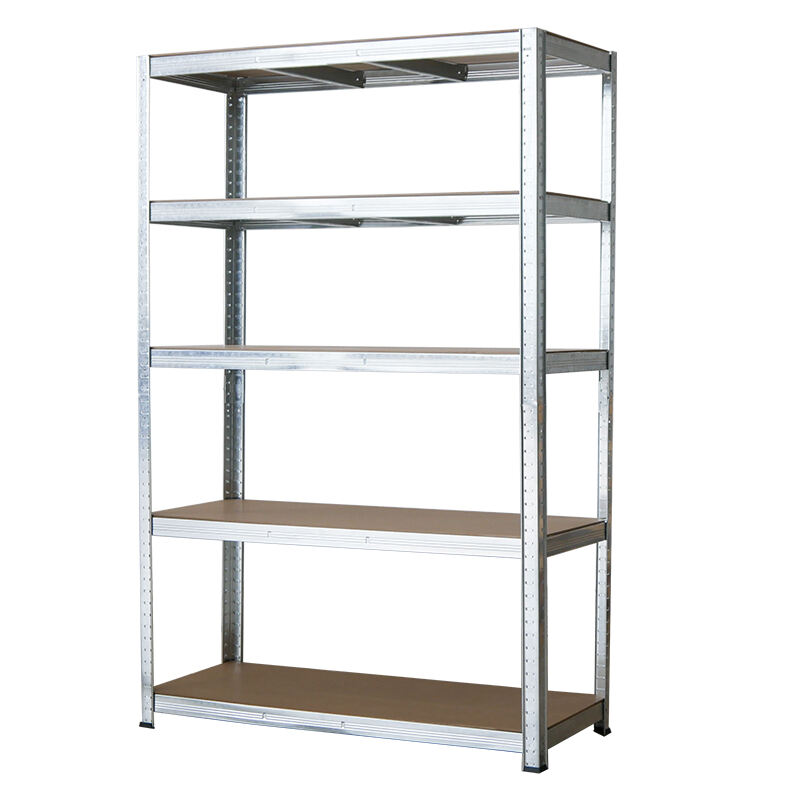
As the world continues to advance in technology, everyday items and spaces are becoming increasingly integrated with intelligent systems that enhance efficiency and convenience. One area seeing significant innovation is storage. Traditionally, shelves have been simple structures, primarily used for holding or organizing items. However, with the advent of smart technology, shelving systems are evolving into far more sophisticated solutions. Smart shelving systems and automation are poised to revolutionize the way we store, manage, and access our belongings, both at home and in commercial spaces.
The Rise of Smart Shelving Systems
Smart shelving systems are essentially storage units that integrate technology such as sensors, motors, and connectivity to offer more than just a place to store items. These systems can communicate with other devices, allowing users to manage their storage remotely, track inventory, and even automate the process of accessing or retrieving items. Whether it's at home, in retail, or in warehouses, these innovations are designed to make life easier by improving organization, increasing efficiency, and enhancing the user experience.
For instance, in a smart home, storage shelves can be equipped with sensors to detect when items are placed or removed, and this data can be synced with an app. Homeowners could quickly locate their belongings by simply checking their smartphone, making it much easier to stay organized without the need for manual searching. Additionally, some smart shelves are built to automatically adjust their configuration. For example, a shelf could shift its compartments based on the size or type of items stored, ensuring optimal storage efficiency at all times.
Automation in Storage and Shelving
The concept of automation in storage extends beyond simple organizational tasks. Automation systems, especially in commercial and industrial settings, have already revolutionized warehouse management. The combination of smart shelving with robotic systems is transforming the way goods are retrieved and stored. Automated guided vehicles (AGVs), robots, and conveyor systems can now work seamlessly with smart shelving, enabling rapid storage and retrieval of products without the need for human intervention.
These systems can improve accuracy and speed, reduce human error, and significantly lower operational costs. For example, Amazon has long utilized a robotic shelving system where small robots move entire shelves toward workers, who then pick the items required for a particular order. This system increases throughput, reduces the time spent walking around a warehouse, and improves overall warehouse efficiency.
The future of automated storage could see further integration with AI and machine learning algorithms, allowing smart shelves to predict which items are most likely to be needed next. By analyzing patterns, these systems could automate the stocking and restocking process, ensuring that inventory is always optimized and readily available when needed. This predictive capability could prove especially useful in industries like retail, where supply chain efficiency and demand forecasting are critical.
Benefits of Smart Shelving and Automation
The benefits of smart shelving systems are manifold. At the consumer level, smart shelves reduce clutter and disorganization. By providing real-time tracking and inventory management, these systems allow users to keep track of everything they own, reducing the need for unnecessary purchases. In businesses, especially in industries like logistics, retail, and e-commerce, automation allows for more efficient use of space and resources. It cuts down on labor costs, enhances operational efficiency, and accelerates the pace of work. Furthermore, these systems are designed to be highly scalable, meaning they can be adapted to both small-scale and large-scale environments.
Looking Ahead
As smart technology continues to evolve, the future of storage shelves is bright. We can expect more intuitive, user-friendly systems that combine automation, AI, and IoT (Internet of Things) to further enhance the organization and retrieval of stored items. Additionally, as the technology becomes more affordable, smart shelving systems will likely become a standard feature in homes and businesses alike.
Ultimately, the integration of smart shelving and automation marks the next step in the evolution of storage solutions. These innovations promise not only to transform the way we manage our belongings but also to improve efficiency, organization, and accessibility across a wide range of industries. As technology continues to advance, the future of storage looks more organized, automated, and intelligent than ever before.