
Welding has long been a cornerstone of industrial manufacturing, serving a wide array of sectors from construction and aerospace to automotive and energy. As industries evolve, so too does the role of welding, incorporating new technologies and techniques to meet changing demands. The future of global industrial welding is poised for transformation, driven by technological innovation, global economic shifts, and the growing need for sustainability. However, along with these opportunities come significant challenges that the industry must navigate.
Technological Innovations
The future of welding will be increasingly shaped by advancements in automation, robotics, and digital technologies. Automated welding systems and robotic arms are already being integrated into production lines to improve precision, speed, and consistency. The rise of artificial intelligence (AI) and machine learning is set to further enhance these systems, enabling real-time data analysis for predictive maintenance and process optimization. With the ability to collect vast amounts of data, AI can help manufacturers monitor performance, identify issues before they arise, and ensure quality control without the need for constant human intervention.
Additionally, the development of 3D printing and additive manufacturing technologies is poised to revolutionize the welding industry. These innovations allow for more efficient material usage, reduced waste, and faster production times, which are particularly beneficial in industries like aerospace, automotive, and healthcare. Welding processes that can be integrated into 3D printing, such as laser welding, are already gaining traction as manufacturers look to produce complex and lightweight components with improved durability.
Sustainability and Environmental Pressures
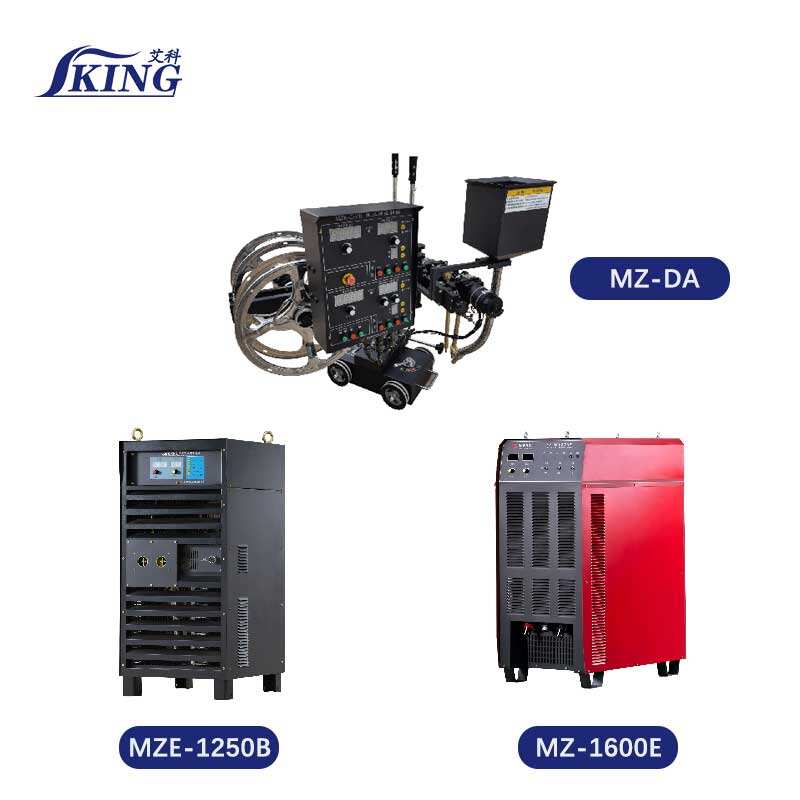
As the world becomes more focused on environmental sustainability, Electroslag Welding Machines will face mounting pressure to reduce its ecological footprint. The welding industry is traditionally energy-intensive and often involves the use of hazardous materials, creating environmental challenges. In response, there is a growing push towards greener welding practices, including the development of more energy-efficient welding equipment and the adoption of eco-friendly materials.
One key opportunity in this area lies in the increased use of renewable energy in welding operations. Solar-powered welding systems and innovations that reduce the carbon emissions of welding processes are being explored. Additionally, welding companies are looking at ways to recycle scrap metal and reduce waste in their operations, helping to close the loop on material use and lessen their impact on the environment.
Global Supply Chain Challenges
The global welding industry also faces challenges related to supply chain disruptions. Geopolitical events, such as trade wars and the COVID-19 pandemic, have highlighted vulnerabilities in global manufacturing and supply chains. These disruptions have caused delays in the delivery of materials and equipment, forcing manufacturers to adapt quickly to keep their operations running smoothly.
In the future, welding companies will need to develop more resilient and flexible supply chains. This could mean diversifying suppliers, increasing reliance on local sourcing, and adopting more advanced logistics technologies to manage inventory and streamline production. Digital supply chain solutions, including blockchain, will play a critical role in improving transparency, traceability, and efficiency.
Skilled Workforce Shortages
As technology evolves, so too must the workforce. The welding industry is currently grappling with a shortage of skilled workers, particularly as experienced welders retire and fewer young people enter the trade. This skills gap poses a significant challenge for the future of industrial welding, as the demand for highly skilled workers continues to rise in line with technological advancements.
To address this, the welding industry will need to invest in training and education programs. The incorporation of virtual reality (VR) and augmented reality (AR) in welding training is already showing promise, offering a cost-effective and immersive way to teach the next generation of welders. Furthermore, educational institutions and welding trade schools must adapt their curricula to incorporate new technologies and processes, ensuring that welders are equipped with the skills necessary for future demands.
Conclusion
The future of global industrial welding is both exciting and challenging. Technological advancements, sustainability efforts, and the need for a skilled workforce present numerous opportunities for growth and innovation. However, these opportunities come with challenges that require proactive solutions, including embracing new technologies, addressing environmental concerns, and developing resilient supply chains. As industries continue to evolve, welding will remain a vital component of the global manufacturing ecosystem, driven by innovation and adaptability.